
Introduction
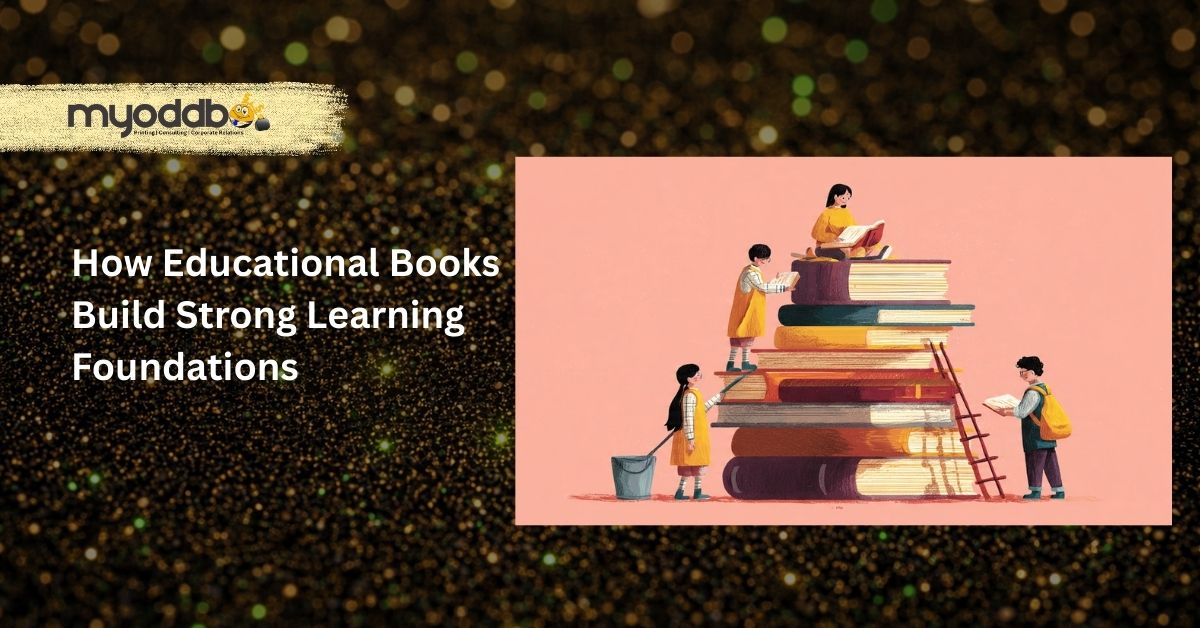
Educational books are more than just printed pages filled with information—they are powerful tools that shape the way children think, learn, and grow. From early childhood to higher education, books provide structured knowledge, foster curiosity, and build the essential skills needed for lifelong success. Strong learning foundations are established when children engage with age-appropriate, well-designed educational books that nurture literacy, numeracy, creativity, and emotional intelligence.
This comprehensive guide explores how educational books build strong learning foundations, their benefits, challenges, strategies for effective use, and their long-term impact on students, teachers, and parents.
The Role of Educational Books in Learning
Definition: Educational books are resources designed to teach, guide, and reinforce knowledge.
Purpose: To provide structured learning aligned with curriculum and developmental needs.
Scope: Covers literacy, numeracy, science, social studies, arts, and moral education.
Why Strong Learning Foundations Matter
Academic Success: Foundational skills determine future performance.
Confidence: Early mastery builds self-esteem.
Critical Thinking: Books encourage analysis and problem-solving.
Lifelong Learning: Strong foundations foster curiosity and adaptability.
How Educational Books Build Literacy
Alphabet Recognition: Picture books introduce letters and sounds.
Vocabulary Development: Stories expand word knowledge.
Reading Comprehension: Exercises improve understanding.
Writing Skills: Workbooks encourage sentence formation and creative writing.
How Educational Books Build Numeracy
Counting & Number Recognition: Illustrated math books simplify concepts.
Basic Operations: Addition, subtraction, multiplication, and division explained step by step.
Problem-Solving: Word problems connect math to real-life situations.
Logical Thinking: Puzzles and activities enhance reasoning skills.
Emotional & Social Development Through Books
Empathy: Stories teach compassion and understanding.
Conflict Resolution: Books present scenarios for problem-solving.
Teamwork: Group activities in workbooks encourage collaboration.
Resilience: Inspirational stories build perseverance.
Benefits for Teachers
Structured Lesson Planning: Books provide a clear framework.
Reliable Resources: Content aligned with curriculum.
Assessment Tools: Exercises and sample papers for evaluation.
Classroom Engagement: Illustrated and interactive books keep students motivated.
Benefits for Parents
Clarity: Parents understand what children are learning.
Homework Support: Books guide parents in assisting with assignments.
Bonding: Shared reading strengthens parent-child relationships.
Confidence: Parents feel empowered with reliable resources.
Characteristics of Effective Educational Books
Age-Appropriate Language: Clear vocabulary suited to learners.
Visual Appeal: Bright illustrations and engaging design.
Interactivity: Activities, quizzes, and projects.
Inclusivity: Representation of diverse cultures and perspectives.
Progressive Difficulty: Lessons that gradually increase in complexity.
Challenges in Using Educational Books
Outdated Content: Failure to reflect modern knowledge.
Overemphasis on Exams: Focus on rote learning rather than creativity.
Accessibility Issues: Not all families can afford quality books.
Language Barriers: Limited availability in regional languages.
Digital Transformation of Educational Books
E-Books: Accessible across devices.
Interactive Apps: Gamified learning experiences.
Virtual Classrooms: Online platforms with digital textbooks.
Adaptive Learning Tools: AI-powered personalization.
Case Studies
NCERT Books in India: Standardized resources ensuring consistency.
Cambridge Curriculum: Internationally recognized for holistic learning.
Montessori Materials: Hands-on, experiential learning.
Khan Academy Kids: Free, interactive resources for young learners.
Long-Term Impact of Educational Books
Academic Excellence: Students excel when taught with strong foundations.
Career Readiness: Skills gained prepare students for professional success.
Social Responsibility: Books instill values of empathy and ethics.
Lifelong Learning: Encourages curiosity and adaptability.
Best Practices for Teachers & Parents
Collaborate: Work together to design engaging learning experiences.
Supplement Resources: Combine textbooks with digital tools.
Encourage Discussions: Use books as a starting point for conversations.
Update Regularly: Ensure books reflect current knowledge.
Future of Educational Books
AI Integration: Personalized learning paths.
Immersive Learning: Virtual reality textbooks.
Global Collaboration: Shared resources across countries.
Child-Created Content: Platforms where children contribute to educational materials.
Role Expectations are clear and increase performance.
Corporate Training Favors Adaptability and Change.
Modern organizations are subject to change. Employees have to adjust rapidly to new technology, processes and business strategies.
Corporate training equips the employees to welcome change instead of confront it. The training programs present the new ideas gradually, they offer suitable instructions, and they discuss the issues beforehand.
Trained employees are more resilient and are able to perform even at the time of transition.
Corporate Training as Strategy Performance Tool.
Organizations that are forward-thinking consider corporate training as a strategic performance tool, and not as a support mechanism. Training programs are synchronized with the business needs, performance as well as the future skills.
Through strategic investments in training, organizations are able to produce a workforce that is performance oriented, flexible and competent.
Corporate training is a long term investment in persons and performance.
Conclusion
Educational books are indispensable in building strong learning foundations. They provide structure, clarity, and consistency, ensuring that children develop literacy, numeracy, emotional intelligence, and critical thinking skills. By bridging the gap between classrooms and homes, educational books foster collaboration among teachers, parents, and students.
As education evolves, the role of educational books will continue to expand, integrating technology and innovative practices. Teachers and parents must embrace these resources to nurture confident, curious, and capable learners.